December 1907: the deadliest month in American coal mining
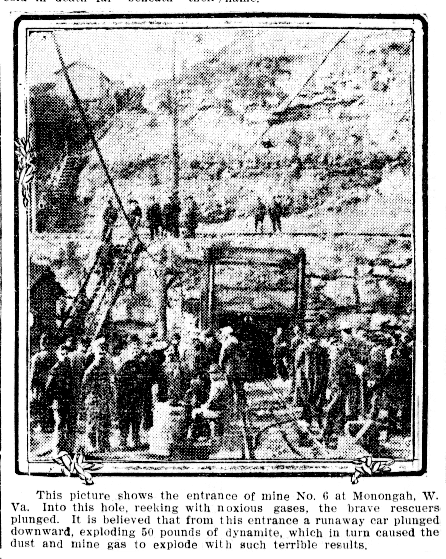
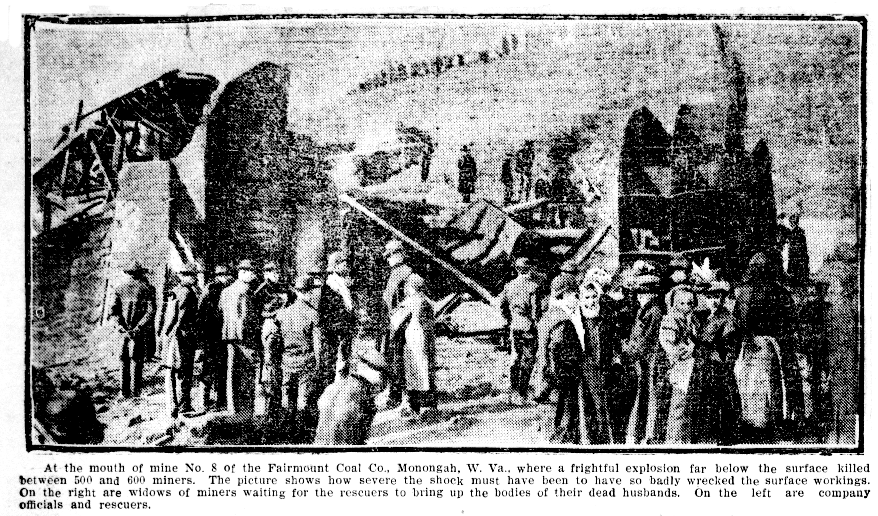
In thirty-one days, five explosions across four states killed more than 700 coal miners, the deadliest month the American coal industry has ever recorded. It opened quietly by the standard of what followed, on December 1, when 34 men died at the Naomi mine near Fayette City, Pennsylvania.
On December 6 an explosion tore through the Fairmont Coal Company's No. 6 and No. 8 mines at Monongah, West Virginia. The official count was 362, among them 171 Italian immigrants, and the investigators of the day conceded the true number was higher. It remains the worst mining disaster in United States history.
The month did not relent. On December 16, 57 men died at the Yolande mine in Alabama. Three days later, on December 19, an explosion at the Darr mine near Smithton, Pennsylvania killed 239, the deadliest mine disaster in Pennsylvania history. By the time the year closed, four states had buried their dead: Pennsylvania, West Virginia, Alabama, and New Mexico.
The scale was impossible to look away from. President Theodore Roosevelt pressed Congress for a federal body that could investigate accidents and study how to prevent them, and in 1910 the United States Bureau of Mines was created, the first national agency devoted to mine safety. The line that runs from there through the 1969 Coal Mine Health and Safety Act to today's Mine Safety and Health Administration begins in the rubble of December 1907.
It is hard to hold that scale against the present. The deadliest coal-mining month in MSHA's electronic record, which begins in 1983, is December 1984, with 34 deaths. The whole of December 1907 was more than twenty times as deadly.
That record is the reason our index exists, and December 1907 sits far before it. Every fatality we publish, named per mine and operator, is counted under a system these miners' deaths forced into being.